
Pediatric Heart Transplantation
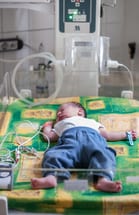 A heart transplant is performed to replace a child's diseased heart with a healthy heart from an organ donor. This procedure is performed on children with serious end-stage heart conditions who will not be able to function without a replacement heart. It is most often needed for infants born with complex congenital heart defects, abnormal heart rhythms, and cardiomyopathies.
The child will be placed on a transplant waiting list and undergo several tests to determine the urgency of the procedure and to find a good match for a new heart. This is determined by the following diagnostic examinations:
- Blood tests
- Urine tests
- Echocardiogram
- Electrocardiogram
- Chest X-ray
- Cardiac catheterization
When a match is made available, the child will be called into surgery immediately. Heart transplant surgeries can take 4 to 12 hours to perform, depending on the child's condition.
Children and parents alike are often worried by the thought of a serious heart transplant procedure being performed. While this procedure requires lifelong care and carries risks, the transplant offers patients unmatched results and can help save their lives.